Source RoHS FCC MP4 Player for Events, Training, and Promotions
Source 30 verified suppliers offering RoHS FCC MP4 player options with features like USB 2.0 interfaces, TF card support, and various screen types. Buyers can compare specifications including battery life, recording modes, and material composition to find the right device for corporate events, training sessions, or promotional campaigns.
Key considerations
Products List


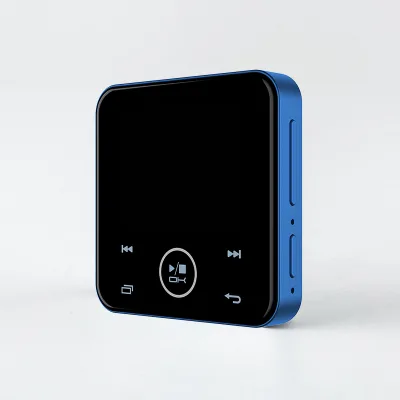

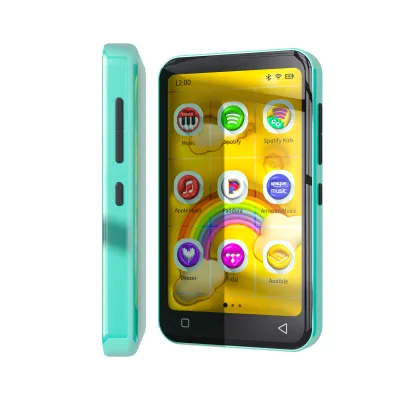
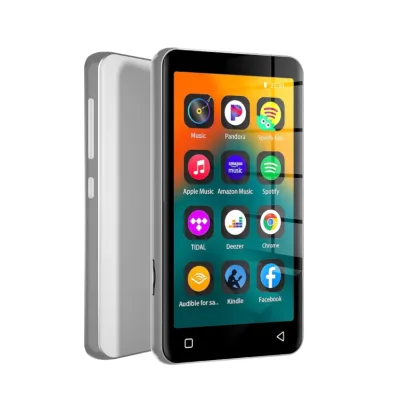
Comprehensive Sourcing Guide
Strategic Sourcing Guide for RoHS and FCC Compliant MP4 Players
The global market for portable media devices has evolved significantly, yet the demand for compact, compliant, and cost-effective MP4 players remains robust for specific B2B applications. When sourcing products under the core keyword "RoHS FCC MP4 player," buyers must navigate a complex landscape where technical specifications, regulatory compliance, and supply chain reliability intersect. This guide provides a disciplined approach to evaluating potential suppliers and products, ensuring that procurement decisions are grounded in verified facts rather than marketing assertions. The focus remains on identifying devices that meet rigorous environmental and electromagnetic standards while delivering the functional performance required for business, promotional, or educational use cases.
Technical Specifications and Functional Variability
Understanding the technical architecture of MP4 players is the first step in any successful procurement strategy. The market offers a wide spectrum of configurations, ranging from basic audio-only units to full multimedia devices with video playback capabilities. Buyers must scrutinize the specific attributes of the devices they consider. For instance, while some units are marketed as "MP3 players" that support MP4 video formats, others are dedicated MP4 players with distinct processing requirements.
A critical area of variation lies in the interface and connectivity. The standard USB 2.0 interface is prevalent, facilitating easy data transfer and charging. However, the physical form factor varies significantly. Some models are designed as "card" style devices, measuring approximately 95 x 28 x 15 mm, while others resemble credit cards or business cards with dimensions around 9.6 x 4.5 x 0.9 cm. These compact forms often utilize ABS or plastic materials to ensure durability while maintaining a lightweight profile, with some units weighing as little as 25 grams.
Display technology is another key differentiator. Options range from devices without screens to those equipped with OLED or 1.8-inch TFT screens. The presence of a screen often correlates with the ability to play video content, which is essential for an MP4 player. Conversely, screenless models may focus solely on audio playback or serve as promotional items where the visual interface is unnecessary. Control mechanisms also differ, with some units utilizing push-button operations while others feature touch interfaces. Buyers must align these specifications with the intended end-use to avoid purchasing over-engineered or under-powered devices.
Memory support is equally critical. While some devices work with SD cards, others are optimized for TF (MicroSD) cards. The compatibility with specific memory card types can dictate the maximum storage capacity and the ease of content management for the end-user. Additionally, the operating system, whether embedded or "other," influences the device's ability to handle different file formats and user interactions.
Compliance and Certification Verification
The core keyword "RoHS FCC" highlights the paramount importance of regulatory compliance in modern electronics procurement. RoHS (Restriction of Hazardous Substances) directives limit the use of specific hazardous materials in electrical and electronic equipment, ensuring environmental safety and worker health. FCC (Federal Communications Commission) certification, primarily relevant for the North American market, ensures that electronic devices do not emit excessive electromagnetic interference that could disrupt other equipment.
When evaluating suppliers, buyers must treat certification claims with a high degree of scrutiny. While background information may suggest the existence of certifications like RoHS, CE, or ISO 9001, these should not be assumed to apply to every listed product without verification. A supplier may claim "high quality" or "SGS" standards, but these are general descriptors rather than specific regulatory guarantees. The buyer's responsibility is to request and validate current test reports and certificates of conformity for the specific batch of products being ordered.
It is essential to distinguish between a product that is "RoHS compliant" and one that merely claims to be. The verification process should involve checking for official documentation from accredited laboratories. Similarly, FCC compliance is not a universal standard; it is jurisdiction-specific. A device intended for the European market may not automatically meet FCC requirements for the United States. Procurement teams must ensure that the specific model number and its manufacturing batch have undergone the necessary testing for the target market. Relying on a supplier's general statement without requesting the actual certificate can lead to customs delays, product seizures, or legal liabilities.
Cost Drivers and Pricing Dynamics
The pricing of MP4 players is influenced by a multitude of factors, including material costs, component quality, customization levels, and order volume. The observed price range in the market spans from $0.10 to $90.00 USD, a vast disparity that reflects the diversity in product specifications. Low-cost units, often priced near the lower end of the spectrum, typically feature basic components, such as plastic casings, push-button interfaces, and limited memory support. These are often suitable for promotional giveaways or high-volume distribution where cost is the primary driver.
Conversely, higher-priced units incorporate advanced features such as OLED or TFT screens, touch interfaces, and robust build materials like ABS. The inclusion of a loudspeaker function, FM radio capabilities, and recording modes also significantly impacts the cost. Customization is another major cost driver. Products offering customization options, such as logo printing or specific packaging, often command a premium. The "Retail Package" versus bulk "100PCS/Box" packaging can also influence the unit price, as retail-ready packaging requires additional labor and materials.
Minimum Order Quantity (MOQ) plays a crucial role in determining the final cost per unit. The observed MOQ range spans from 1 to 1000 units. Buyers purchasing small quantities may face higher per-unit costs due to the fixed setup and production overheads. Bulk orders, typically meeting higher MOQ thresholds, benefit from economies of scale, resulting in a lower cost per unit. However, buyers must balance the cost savings of bulk ordering against the risk of inventory obsolescence, especially given the rapid pace of technological change in the consumer electronics sector.
Typical Applications and Use Cases
MP4 players serve a diverse array of applications, ranging from consumer entertainment to specialized B2B uses. The compact "card" and "credit card" form factors make these devices particularly suitable for promotional campaigns, trade show giveaways, and corporate branding initiatives. Their small size and lightweight nature allow them to be easily distributed without adding significant bulk to promotional kits. In these scenarios, the device often functions as a branded media player, pre-loaded with company information, marketing videos, or audio content.
In the educational sector, MP4 players can be utilized for language learning, where audio playback and recording functions are essential. Devices with recording modes and FM radio capabilities offer interactive learning experiences, allowing students to record lectures or listen to radio broadcasts. For the corporate environment, these devices can serve as secure media players for internal training videos or conference presentations, particularly when equipped with USB 2.0 interfaces for easy content updates.
The "business card" style MP4 players are also gaining traction in the hospitality and real estate industries. They can be handed to clients as a tangible, interactive business card that plays a video introduction or displays property details. The durability of the ABS or plastic casing ensures that these devices can withstand the rigors of daily handling and distribution. Understanding the specific application is vital for selecting the right specifications, such as battery life, screen size, and memory capacity, to ensure the device meets the functional requirements of the end-user.
Supplier Evaluation and Quality Assurance
Selecting a reliable supplier is a critical component of the procurement process. The market contains numerous manufacturers, primarily located in Shenzhen, China, a hub for electronics manufacturing. While the region offers access to a robust supply chain and competitive pricing, it also necessitates rigorous due diligence. Buyers should evaluate suppliers based on their ability to provide verified compliance documentation, their production capacity, and their track record for quality control.
Quality assurance should be a continuous process, not a one-time check. Buyers must establish clear quality standards and specifications before placing an order. This includes defining acceptable tolerances for dimensions, weight, and material quality. For instance, a device specified to weigh 25 grams must consistently meet this target across the entire production batch. Regular inspections during the production process and before shipment are essential to ensure that the final products match the agreed-upon specifications.
Supplier evaluation should also consider their responsiveness to customization requests and their ability to handle lead times. The observed lead time of 3 days suggests a highly agile manufacturing process, but buyers must verify if this applies to customized orders or standard stock items. Long-term relationships with suppliers who demonstrate transparency and reliability can mitigate risks associated with supply chain disruptions. It is advisable to conduct factory audits or request third-party inspection reports to validate the supplier's manufacturing capabilities and quality control systems.
Long-Term Procurement Considerations
Sourcing MP4 players is not merely a transactional activity but a strategic decision that impacts long-term operational efficiency and brand reputation. Buyers must consider the lifecycle of the product, including battery life, durability, and the availability of replacement parts or accessories. The observed battery life of less than 10 hours indicates that these devices may require frequent recharging, which could be a limitation for certain applications. Buyers should assess whether this battery life is sufficient for their intended use case or if they need to explore alternatives with longer endurance.
Warranty and after-sales support are also critical factors. A 12-month warranty, as observed in some listings, provides a baseline level of protection for the buyer. However, the terms and conditions of the warranty must be clearly understood, including what is covered and the process for claiming repairs or replacements. Suppliers who offer robust after-sales support can significantly reduce the total cost of ownership by minimizing downtime and repair costs.
Furthermore, buyers should remain vigilant regarding the evolving regulatory landscape. As environmental and safety standards become more stringent, the requirement for compliance with RoHS, FCC, and other international standards will likely increase. Procurement strategies should be flexible enough to adapt to these changes, ensuring that the supply chain remains compliant and competitive. By focusing on verified facts, rigorous quality control, and strategic supplier relationships, buyers can successfully navigate the complex market for MP4 players and secure products that meet their specific needs.
Comparative Analysis of Product Attributes
To facilitate decision-making, it is helpful to compare the key attributes of different product categories found in the market. The following table summarizes the observed variations in specifications, helping buyers identify the most suitable options for their requirements.
| Attribute Category | Basic / Promotional Model | Advanced / Multimedia Model |
|---|---|---|
| Form Factor | Card / Credit Card Style | Standard Portable Player |
| Display | Without Screen | OLED or 1.8-Inch TFT Screen |
| Control Interface | Push-Button | Touch Interface |
| Audio Features | MP3 Only | MP3, FM Radio, Recording Modes |
| Memory Support | SD Card / TF Card | TF Card / SD Card |
| Material | Plastic / ABS | ABS / High-Quality Plastic |
| Battery Life | < 10 Hours | Variable (Check Specific Model) |
| Customization | Available | Available |
| Typical Price Range | Low ($0.10 - $10) | Mid to High ($10 - $90) |
This comparison highlights the trade-offs between cost and functionality. Buyers must carefully weigh these factors against their specific project requirements to make an informed procurement decision. By adhering to the principles of evidence-based sourcing and rigorous verification, organizations can ensure they acquire high-quality MP4 players that deliver value and meet all necessary compliance standards.
FAQs
What customization options are available for these MP3 players?
Customization is available for these devices to meet specific branding needs. Buyers can request modifications to packaging or product features, though specific limits depend on the supplier's production capacity and order volume.
Which memory card types do these players support?
These players support various memory card types including SD, TF, and RO SD cards. The specific compatibility depends on the model, with some units designed to work directly with standard SD cards while others utilize TF cards.
Can I find units with a 1.8-inch TFT screen?
Yes, some models feature a 1.8-inch TFT screen for visual playback. These units often include additional features like touch operation and embedded operating systems compared to screenless alternatives.
What is the typical lead time for orders?
The typical lead time for these products is 3 days. This fast turnaround applies to standard production runs, but customized orders may require additional time depending on the complexity of the requested changes.
How does the battery life compare across models?
Battery life is generally less than 10 hours for these devices. This duration is suitable for short promotional events or daily use, but users should plan for frequent recharging during extended operations.
Which certifications are associated with these products?
Some products are associated with SGS standards and high-quality certifications. While background data mentions RoHS and CE, buyers must verify specific test reports for each batch to ensure compliance with target market regulations.
What materials are used for the product casing?
The product casing is typically made from ABS or plastic materials. These materials ensure durability while maintaining a lightweight profile, with some units weighing as little as 25 grams for easy portability.